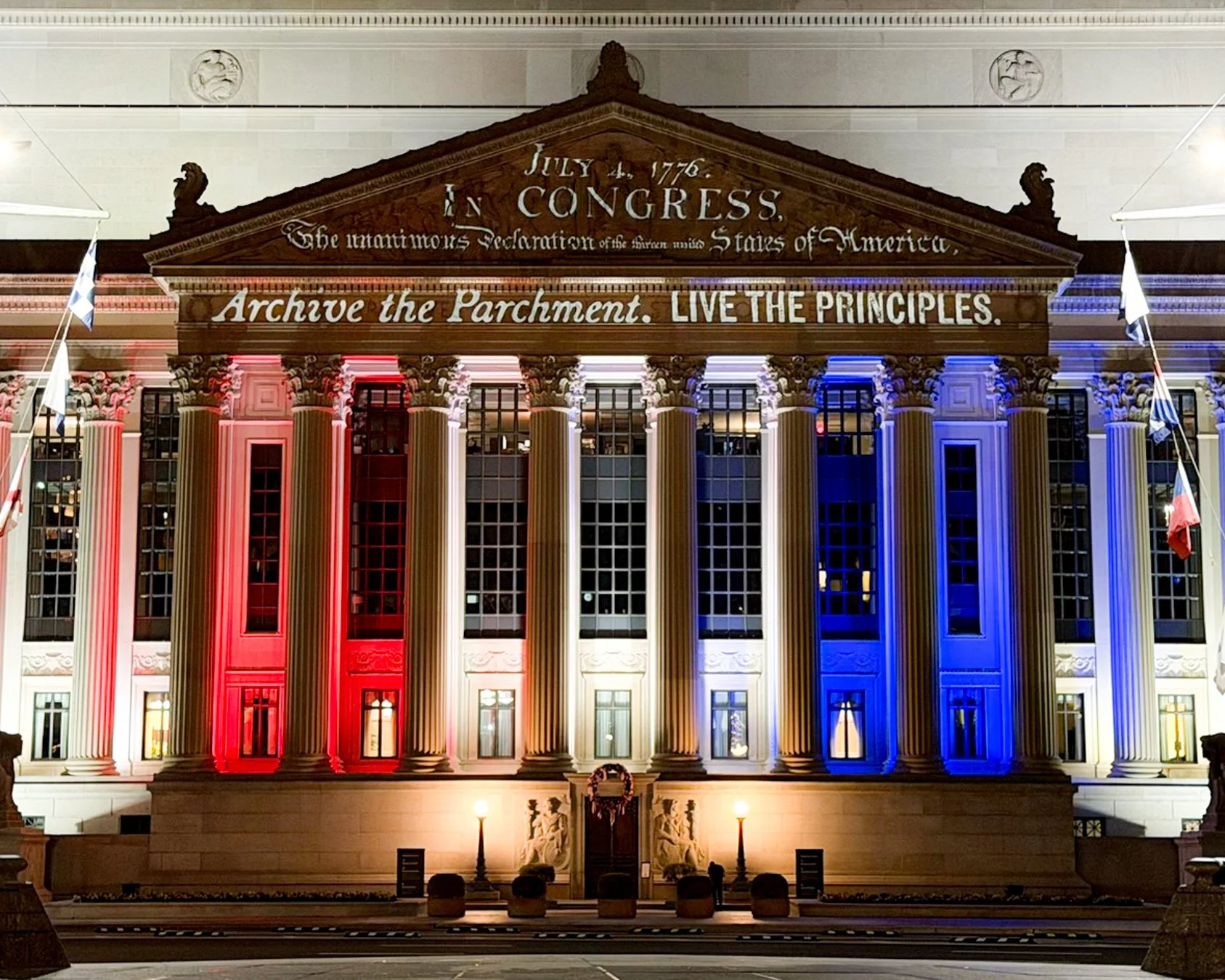
Archive the Parchment. Live the Principles.
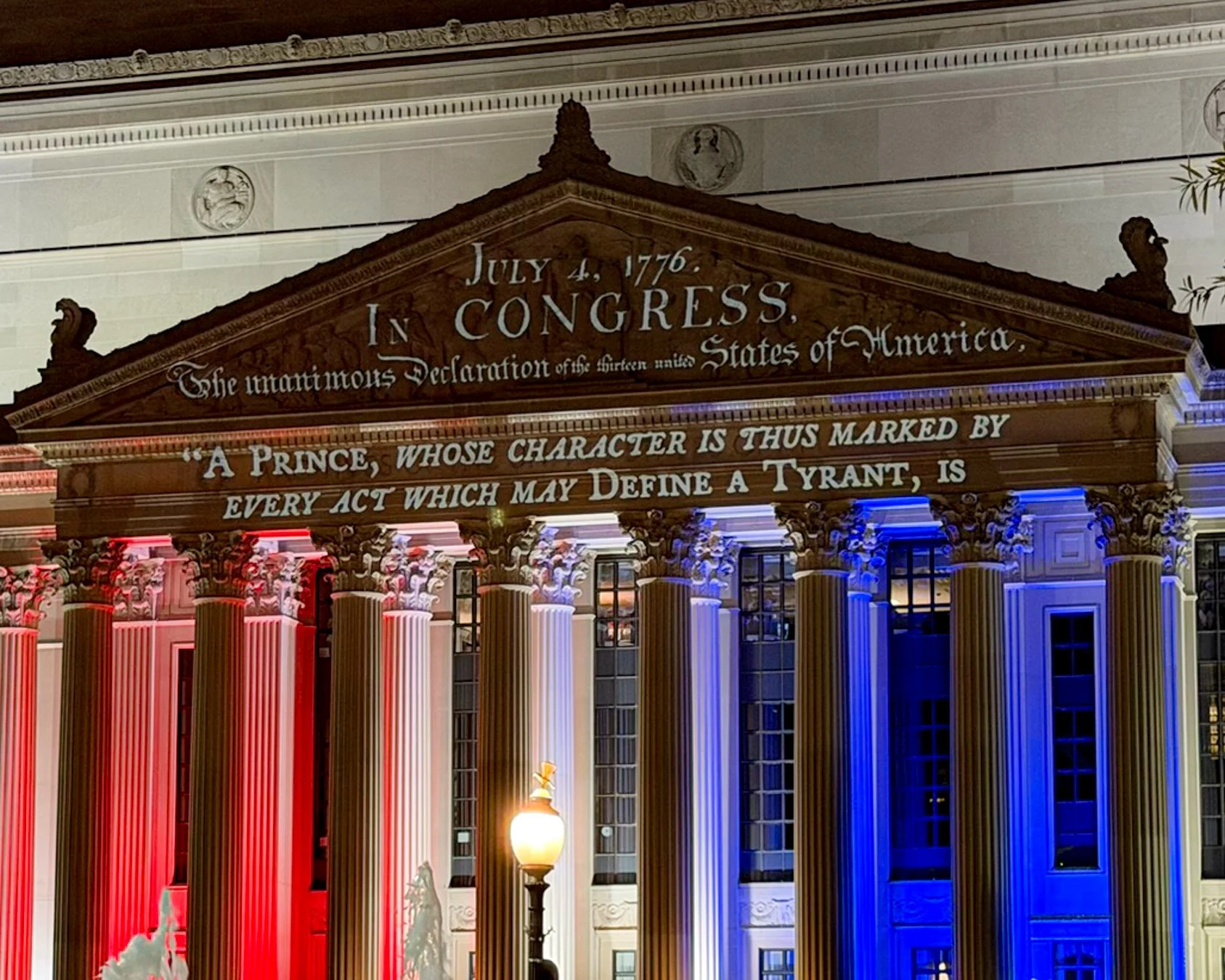
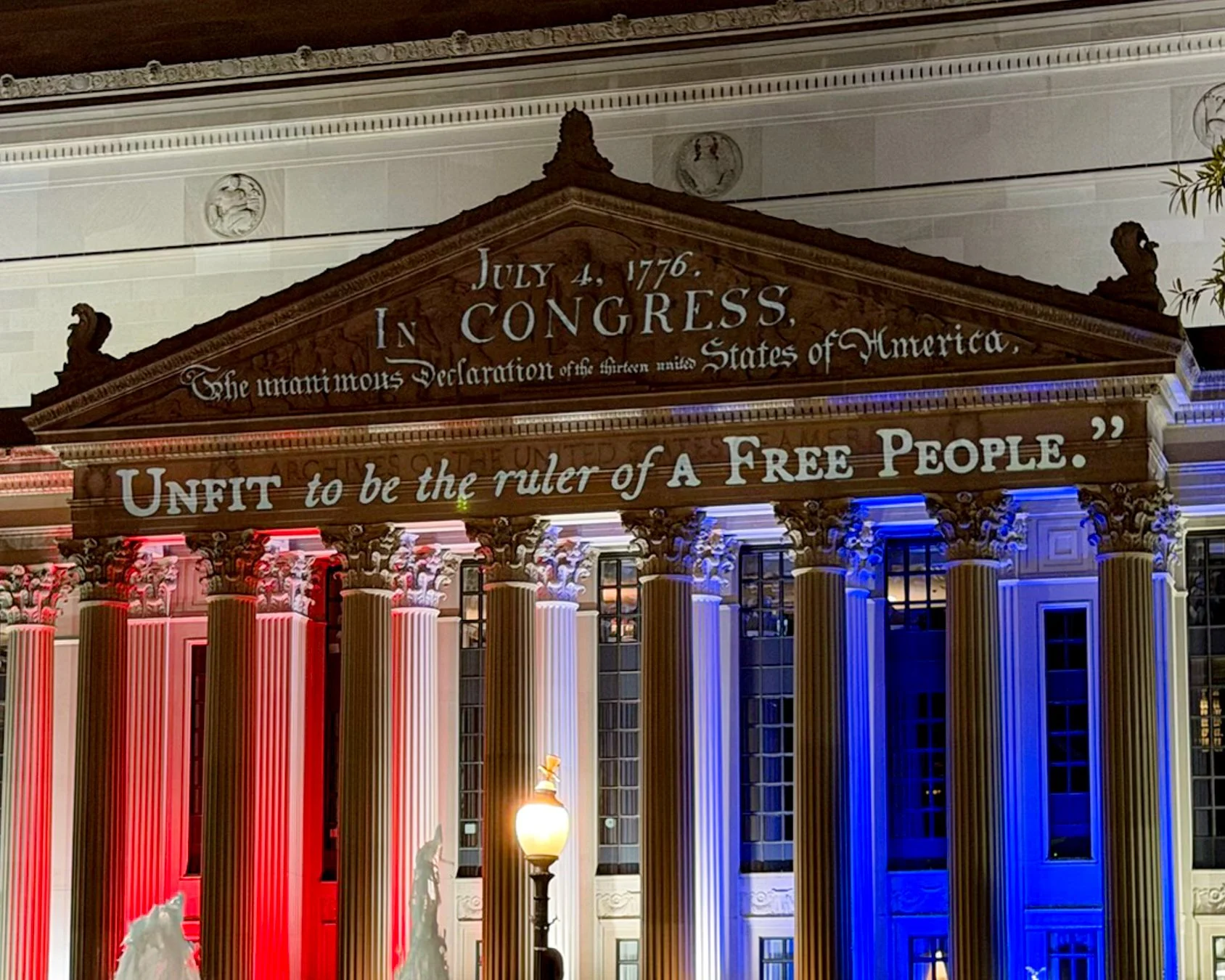
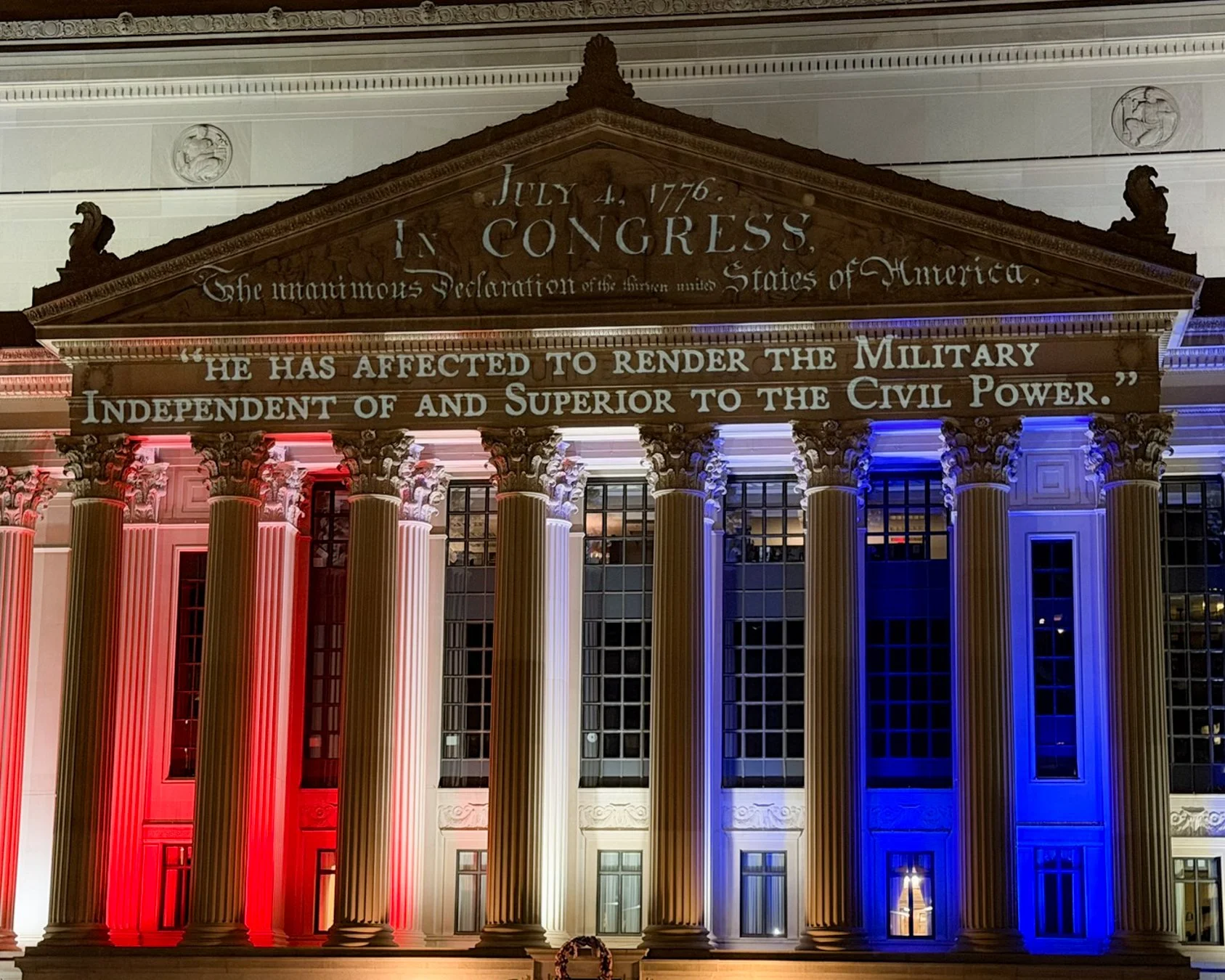
One of the signed copies of the Declaration of Independence is on display here at the National Archives in Washington, D.C. The second Continental Congress declared independence from Great Britain on July 2, 1776. On July 4 they adopted the Declaration of Independence. The Declaration can be thought of as a letter to the world explaining the States’ (newly united) decision to remove themselves from British rule. It includes a list of ‘grievances’ against the King, actions that they claimed made him a tyrant and unfit to be the ruler of a free people.
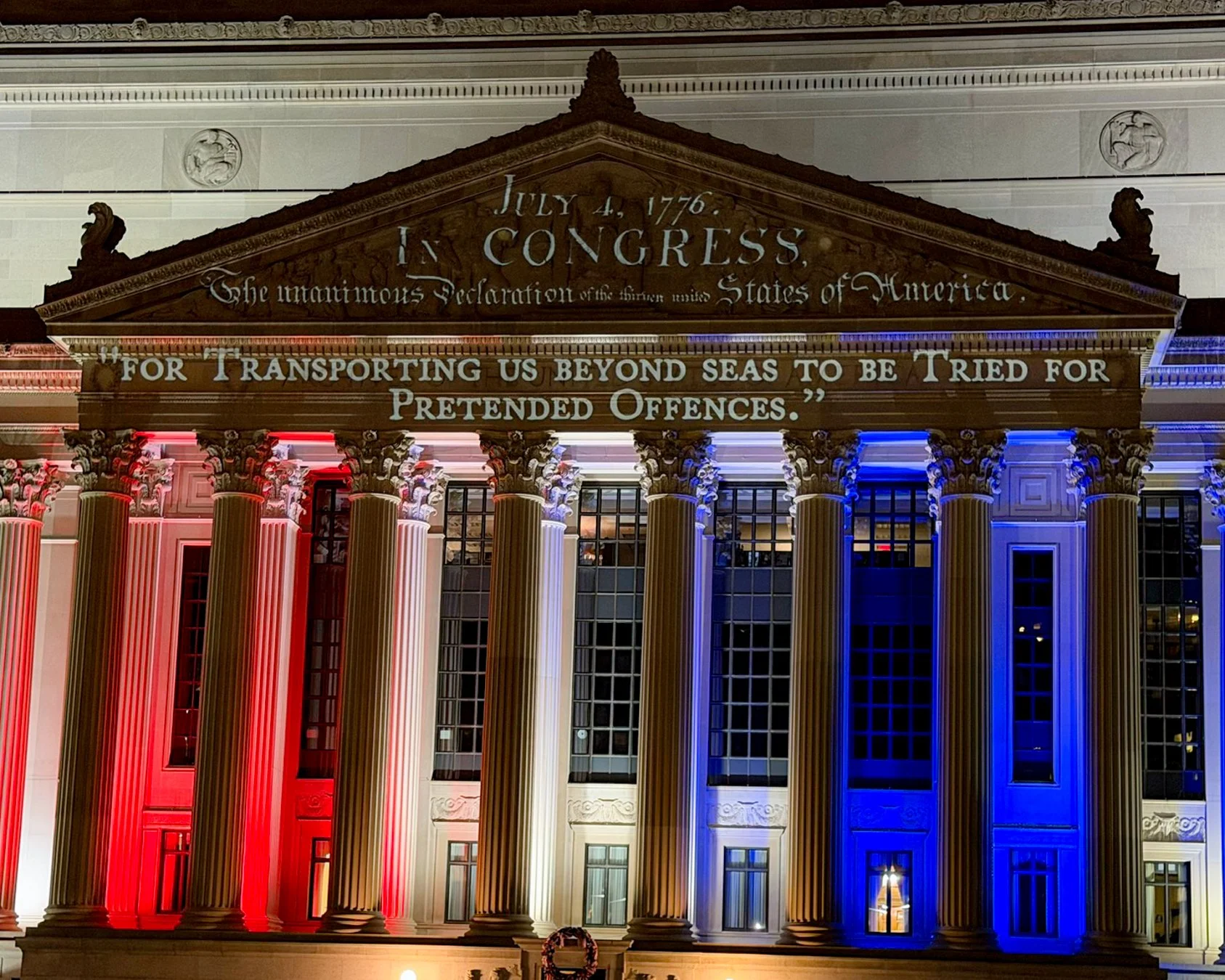
Included in this list were the following items:
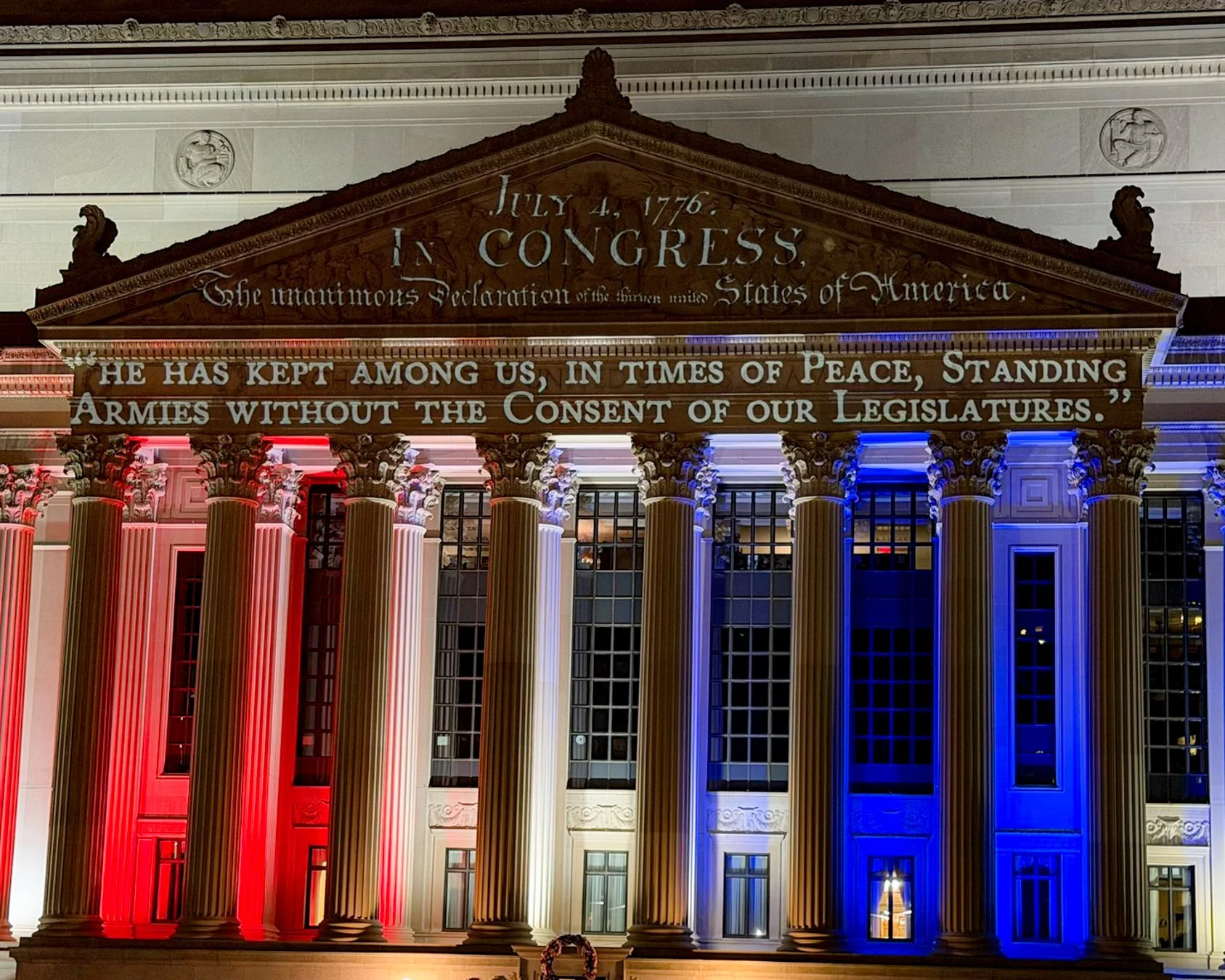
He has kept among us, in times of peace, Standing Armies without the Consent of our legislatures.
He has affected to render the Military independent of and superior to the Civil power.
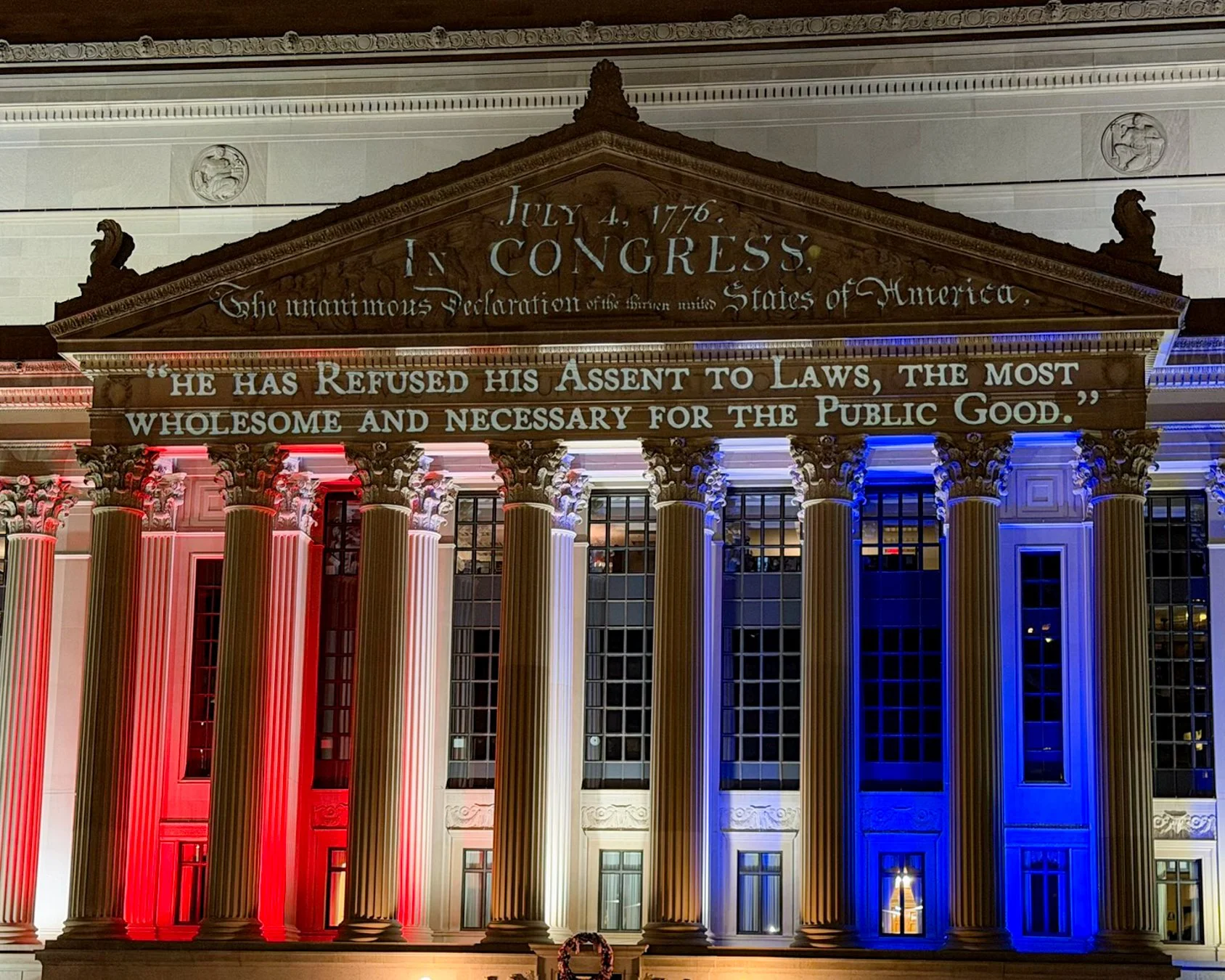
He has refused his Assent to Laws, the most wholesome and necessary for the public good.
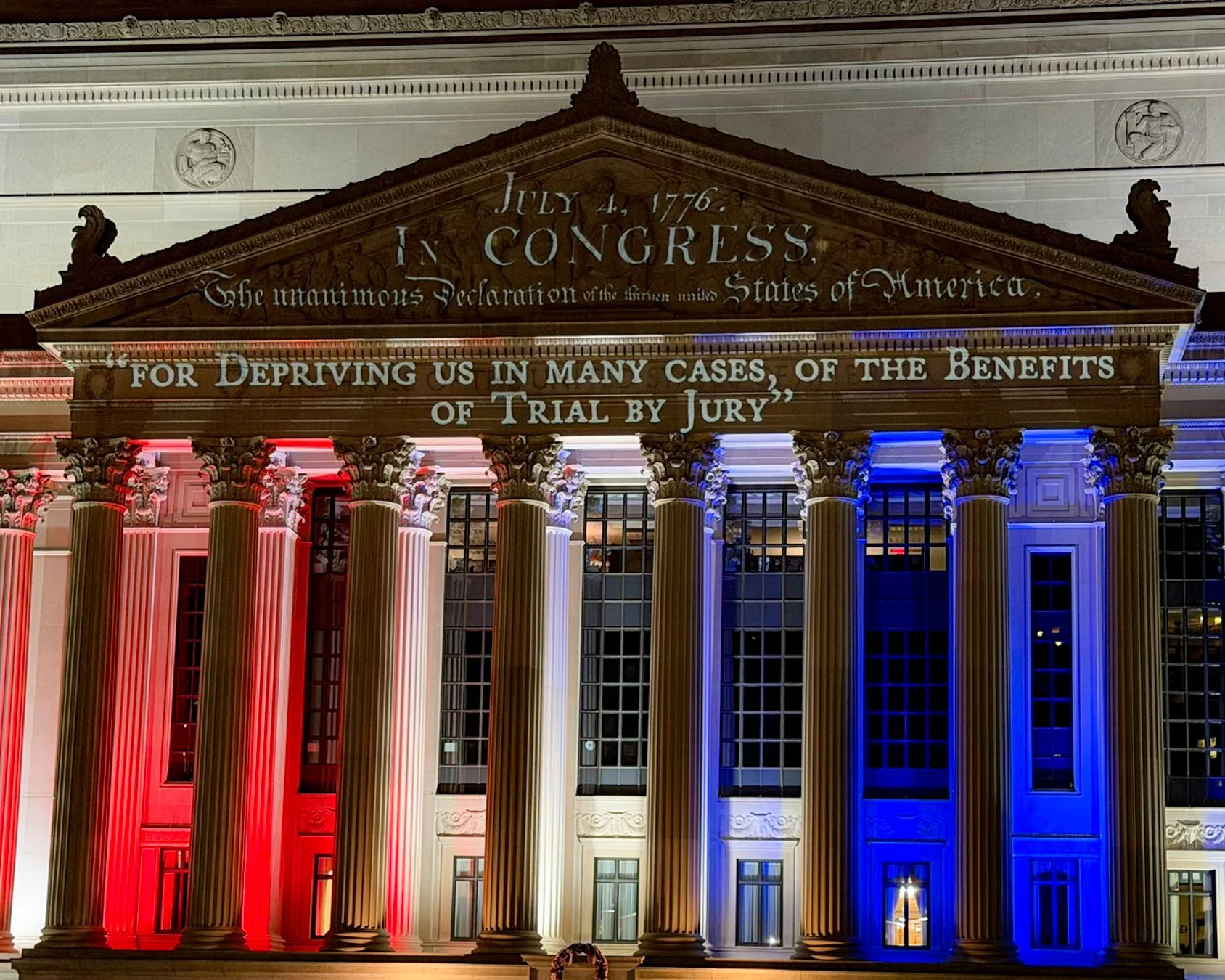
For depriving us in many cases, of the benefits of Trial by Jury.
The list concludes with this: “A Prince, whose character is thus marked by every act which may define a Tyrant, is unfit to be the ruler of a free people.”
The fight for American freedom was not won on July 4th, 1776, and it is not won today. Though the cause of freedom has been advanced by every generation, the forces of oppression 250 years ago continue to deny the right to life, liberty, and the pursuit of happiness to many Americans.
This weekend, take a few minutes to read the Declaration of Independence. It’s only about 1,300 words long. (That’s the equivalent of about 4 instagram captions.) Consider what it means to pledge your life, fortune, and sacred honor to your fellow citizens. Consider where this country started, and where we can lead it. If it derives its just power from the consent of the governed, do we consent to this?
Your Humble Servant,
Silence Dogood