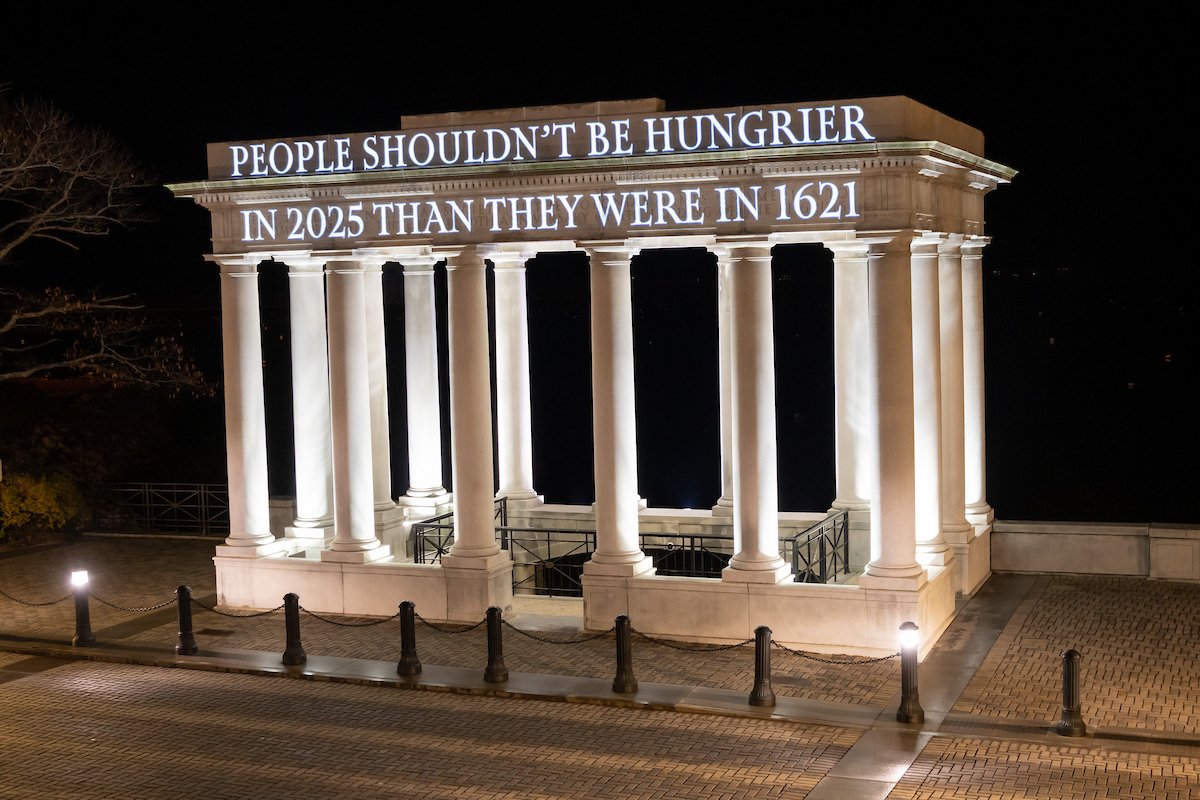
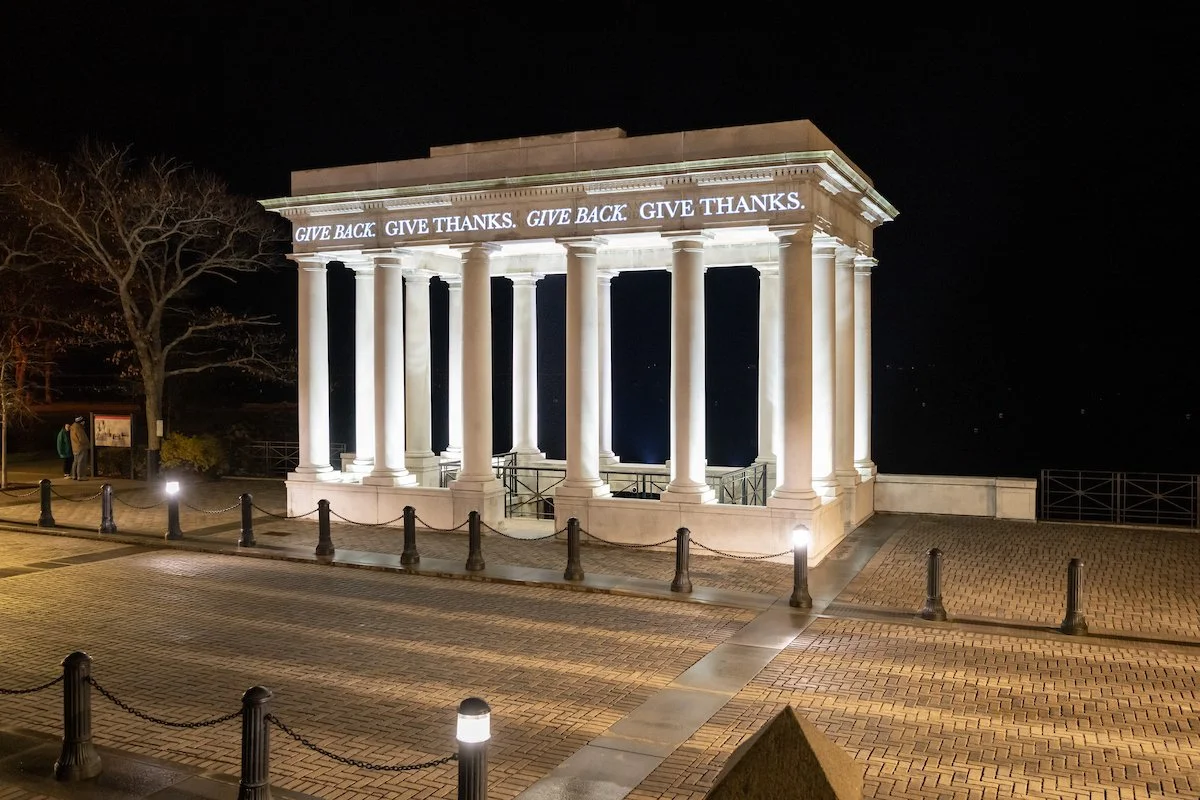
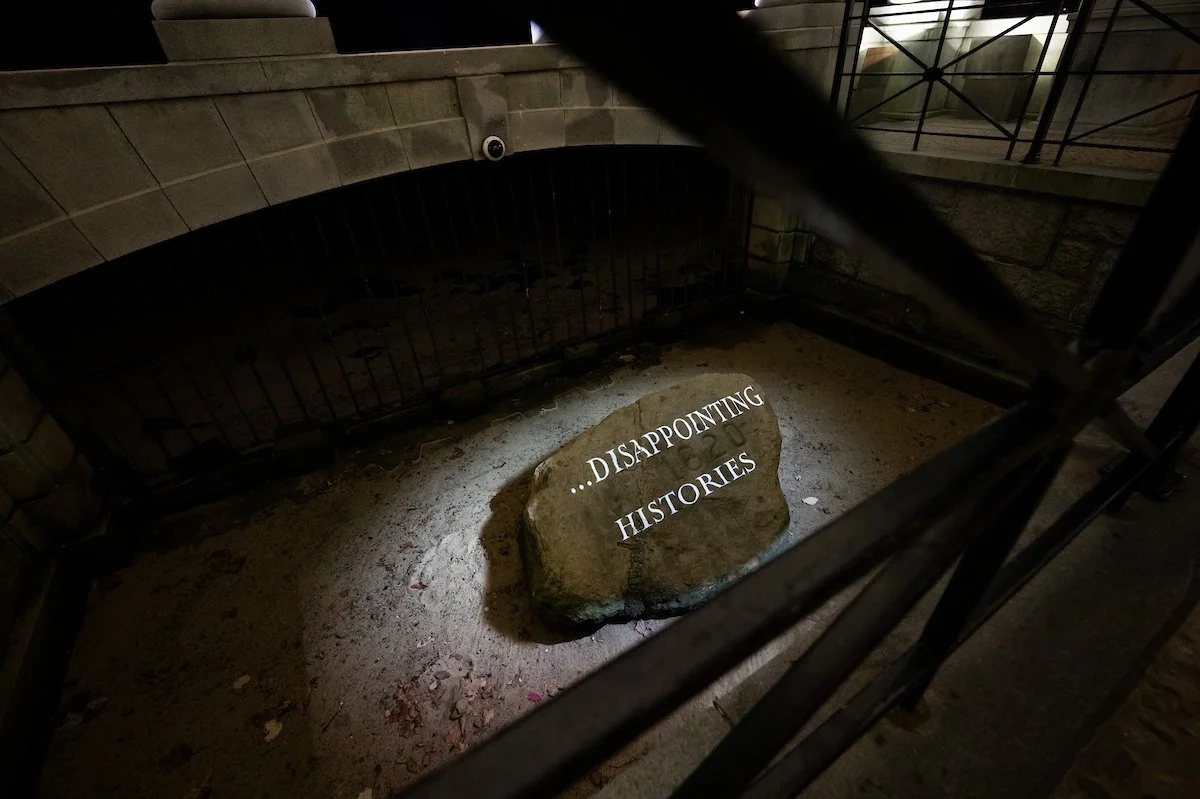
People shouldn’t be hungrier in 2025 than they were in 1621.
In 1616 a series of epidemics hit the Patuxet village of the Wampanoag confederation, leaving only one survivor.
In 1620, a boatful of strangers arrived on that land and called it Plimoth Colony. Their first year they starved. Their second year, with the advice of the sole Patuxet survivor, Tisquantum, their harvest was bountiful. It was so successful that one of the immigrants wrote home, “although it be not always so plentiful as it was at this time with us, yet by the goodness of God, we are so far from want that we often wish you partakers of our plenty.” In the same letter he recounts that 90 Wampanoag men along with their leader, Ousamequin, joined the harvest celebration, and the two peoples spent 3 friendly days together.
We call that the first Thanksgiving. Welcoming immigrants, sharing the bounty of the land, and celebrating across cultures are values worth commemorating. However, those 3 days in 1621 have been followed by centuries of violence, exploitation, and dehumanization that continue to this day.
This Thanksgiving, too many people face food insecurity. According to the Economic Policy Institute, Native households use SNAP benefits at nearly double the national average.
Our leaders spend our money on luxuries, point fingers at each other, and sow division. Meanwhile, more than 47 million people on this land (many of whom are children, disabled, and elders) go hungry. Even in 1621 they knew that when you have plenty, you share.
If you are hungry this Thanksgiving, you deserve to be full. Hunger is the result of unjust systems centuries in the making, not the moral failing of an individual. If you are NOT hungry this Thanksgiving give thanks, and then give back. Share as much as you can.
To learn more about the Mashpee Wampanoag today, click here.
To learn more about the National Day of Mourning, click here.
To find food resources near you, click here.